
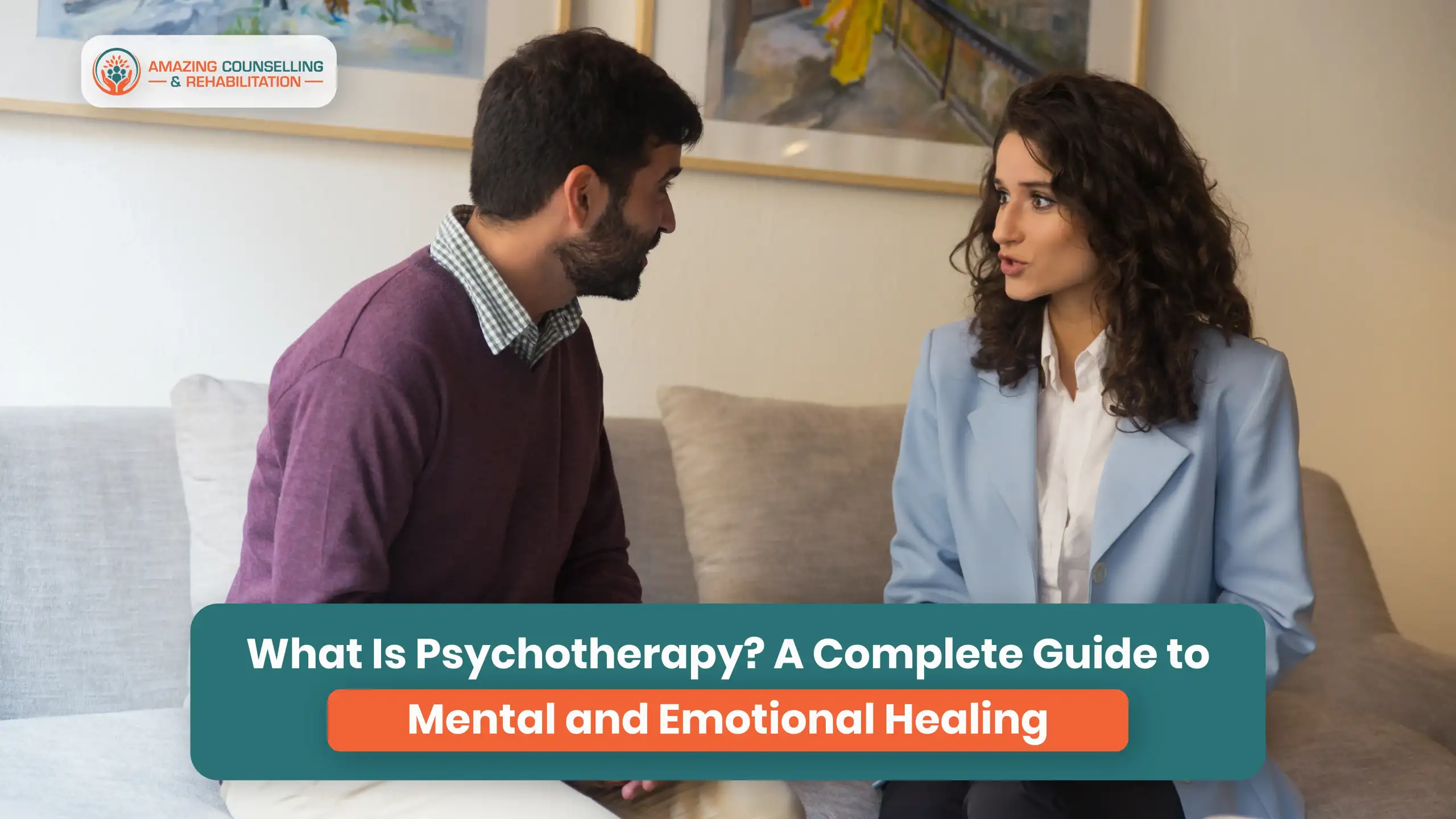
The mental and emotional well-being of an individual is of utmost importance to one’s general well-being, but unfortunately, not all individuals are able to cope with stress and anxieties effectively. Psychotherapy is a very useful methodology which provides a means to analyze and improve the mental and emotional health of individuals. With this, psychotherapy is becoming more relevant owing to our fast lifestyle.
What Is Psychotherapy?
It is also referred to as talk therapy, which is systematic therapy where one is assisted in understanding and dealing with his/her mental and psychological issues. Talk therapy includes discussion between the psychologist and the patients. The primary goal here is to help the individual improve his/her psychological health by developing coping skills.
The involvement of mental health experts like psychologists, psychiatrists, and therapists is essential in psychotherapy. They have a profound knowledge of the psychological methods and help individuals recognize their thought and behavioral patterns and manage them to promote positive change. These therapists’ skills are a testament to the fact that psychotherapy service is tailored to each person.
How Psychotherapy Works
Psychotherapy relies on structured sessions, teamwork and goal setting to create a therapeutic environment for emotional healing.
Therapist-Client Relationship
The therapeutic process will create a bond between the client and therapist based on self-confidence, trust, confidence and a feeling of security. In such a therapeutic relationship one can ‘freely’ express his or her feelings, without attaching prejudice to himself or herself. A strong therapeutic relationship ensures an in-depth insight into the patient.
Structure of Therapy Sessions
The therapy sessions are conducted in an organized manner where the clients vent their issues, and the therapists guide them in discussion following a set of methods. The process entails revisiting the achievements made in the past, dealing with issues at hand, and providing solutions to cope.
Goal Setting and Progress Tracking
Goals are established through psychotherapy and represent specific objectives that the client has with regard to his/her psychological health, such as decreased anxiety, improved interpersonal skills, etc. The therapists are continuously assessing achievements so that the results could be evaluated and changes made where needed.
Types of Psychotherapy
There are different types of psychotherapy, which use structured and supportive therapy with thoughts, feelings and actions.
Cognitive Behavioral Therapy (CBT)
CBT targets negative thoughts which can affect a person’s emotional and behavioural responses. With this therapy it is possible to gain insight into the effect that one’s thoughts have on how he or she feels and acts. As a result, through exercise, one is able to practice healthy thinking processes. Cognitive Behavioral Therapy (CBT) help to improve cognitive power and behavior.
Psychodynamic Therapy
In Psychodynamic Therapy, insights into the unconscious mind, past experiences, and unresolved emotional conflicts that are impacting current behavior are explored. It helps individuals to become more self-aware and to gain an understanding of how their emotions now and experiences with relationships as children shape their self-awareness. The main emphasis of this therapy is insight and emotional awareness, which are key elements in psychological healing and personal growth.
Humanistic and Behavioral Therapy
Humanistic- Behavioral is all about personal growth, self-acceptance and behavior alteration. Humanistic techniques encourage a person’s potential and behavioral techniques are used to replace negative behaviors with positive ones. They are able to collaborate and support each other in achieving balance, making better decisions and coping with life stresses.
Psychotherapy for Depression
If a person feels depressed, then the psychotherapist can provide him/her with emotional support and guidance when the person has become too negative, too sad and too tired. It is intended to improve mood, motivation and healthy thinking, which will lead to ongoing emotional stability and recovery including cognitive restructuring and behavioural activation.
Psychotherapy for Anxiety
Anxiety psychotherapy or anxiety therapy services is a technique that changes the way people think and react to things that provoke anxiety, fear, panic and overthinking. It employs strategies such as relaxation training, exposure therapy, and cognitive restructuring, to decrease anxious reactions. As time goes on, the person becomes more emotionally controlled, more confident and better able to deal with stressful situations calmly.
Psychotherapy for Stress and Trauma
Psychotherapy for stress and trauma assists people in dealing with the overwhelming burden of stress and trauma that has left them emotionally wounded. It targets triggers, the painful memories and emotional balance. Grounding techniques, cognitive approaches and trauma-informed interventions are used to help heal, build resilience and to repair the psychology in the longer term.
Psychotherapy for Relationship Issues
Psychotherapy for relationship problems can help individuals and couples communicate better, understand their emotional needs, and be able to have a good, healthy conflict with each other. It promotes communication and skills in problem solving. Couples and family therapy helps to improve relationships, restore trust and establish better patterns of interaction. Over the years it helps with emotional bonding, understanding and more trustworthy, satisfying relationships within personal and family relationships.
Psychotherapy for Different Age Groups
Psycho Therapy for children, teenagers and adults are geared at the emotional needs of the various age groups. Children thrive in a play-based setting, teens are helped to develop their identity and learn to manage stress and anxiety, and adults are on a life challenge and emotional balance program. Age-appropriate therapy makes sure that the appropriate methods are used that promote healthy psychological development and ultimately good health.
Benefits of Psychotherapy
Emotional healing is achieved through the use of psychotherapy, which offers an understanding of thoughts, feelings and behaviors. It brings self-awareness to the person and helps them become aware of negative patterns and replace them with healthier patterns. This process helps him to grow within and be emotionally stable in the long term.
It also enhances coping and deepens relationships through practical skills for coping and effective communication in the face of stress. In therapy, people learn strategies to better cope with challenges and to become more resilient and establish positive relationships in their personal and social life.
Signs You Need Psychotherapy
Psychotherapy may be necessary if you suffer from persistent emotional symptoms, anxiety, or depression that don’t get better over time. You also need to differentiate the sadness vs depression to get right and proper therapy services. Having trouble with daily tasks, relationships or work may be a sign of need for support. Through therapy, people learn to regain control, balance emotions and learn how to cope with life challenges.
Online Psychotherapy Services
Online psychotherapy services offer psychotherapy sessions online via video, chat, or phone, making mental health help more accessible. They allow flexibility for people with a lot of things going on or mobility issues. This is a great convenience for people to get the same care regardless of where they are, and still receive the professional guidance, emotional support and effective treatment that they need and deserve.
How Amazing Counseling Association Support Psychotherapy
Therapy associations are crucial in linking people to qualified and licensed mental health specialists. They guarantee quality care by adhering to ethical standards, professional training and verified therapists. These groups also advocate awareness, resources and more accessible therapy. This ensures individuals are attuned to emotional needs, well guided and well-treated for mental health issues.
FAQs
What does a psychotherapist do?
Psychotherapists assist individuals to cope with problems related to emotions, behavior, and mental functioning via psychotherapy sessions.
What are the four steps of psychotherapy?
The psychotherapy process comprises the following four steps: assessment, setting goals, intervention, and termination while ensuring psychological development.
What are the five Ps of psychotherapy?
Five Ps include the presentation, predisposition, precipitation, perpetuation, and protection psychological aspects impacting mental wellness.
What is the difference between psychotherapist and therapist?
Psychotherapists practice psychotherapy, whereas therapists might engage in various types of counseling or emotional support services.
What is the difference between psychotherapist and therapist?
Psychotherapists apply formal psychotherapy techniques, whereas therapists can also give generic advice without psychotherapy expertise.