
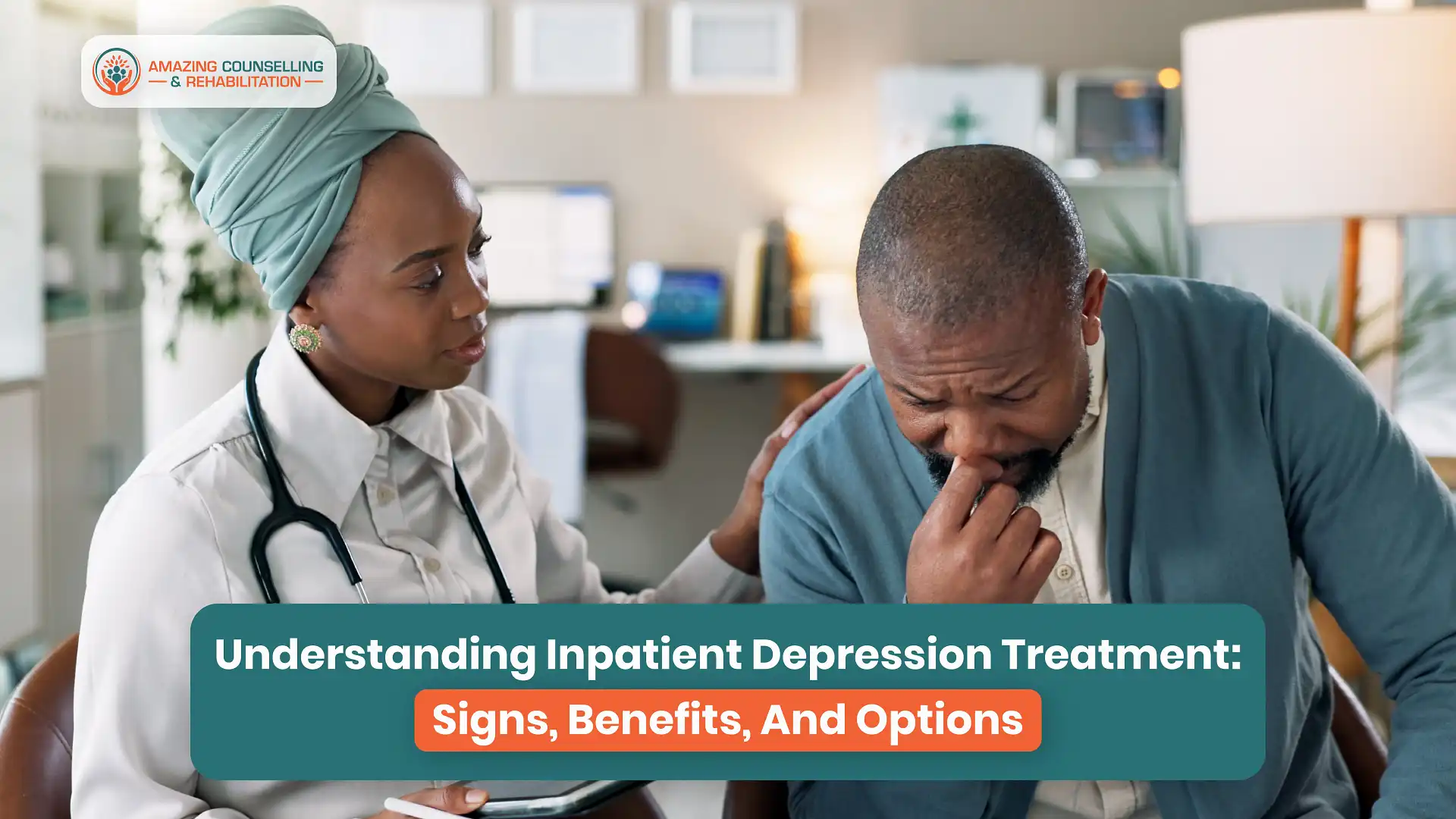
A considerable understanding of when an individual may require or need in-patient care for depression is just invaluable. Making an appropriate choice at an adequate time can protect an individual, their community, or ensure them adequate resources to improve outcomes.
This blog aims to assist readers through some of the relevant aspects to better understand, recognize, and grasp the benefits of inpatient depression treatment. Furthermore, this delivers clear and concerned information for everyone exploring depression inpatient treatment or who are seeking support from a depression treatment center in Texas.
In addition, this delves into crucial aspects such as symptoms, advantages, and possibilities to enable readers to form informed decisions and be assured and comfortable accessing treatment in an inpatient mental health wellness center. This way, an individual and their loved ones will be aware and reduce confusion surrounding their actions, hence adopting a proactive approach to their mental well-being.
Understanding Inpatient Depression Treatment?
Inpatient depression treatment can be defined as a form or level of mental health care that focuses on a patient experiencing severe or acute symptoms of depression. Inpatient treatment for depression usually requires a patient to enter a hospital or a licensed mental health treatment facility or center that focuses on a patient’s 24/7 needs. In other words, the main goal or focus of depression treatment in a facility or center known as a ‘wellness center’ is the stabilization of a patient’s condition.
Inpatient help for severe depression differs from the treatment options within the outpatient and intensive treatment programs. Unlike the former two treatment options, where the attendants can go home to their respective places every day, inpatient care for depression demands full-time residency at the treatment center.
However, the treatment rendered within the outpatient treatment for depression is recommended for mild and moderate depression. Among the scenarios for undergoing depression inpatient treatment is when the symptoms impact functioning and safety and when the treatment has been ineffective at a depression treatment center in Texas. Moreover, depression care in inpatient settings can involve providing a patient with behavioral therapy services to help them understand their thoughts, feelings, and behaviors in a safe environment.
Signs When Treatment Is Necessary
Following facts provide an insight that when is depression inpatient treatment necessary and required:
Suicide Intentions and The Risk of Self-harm
Intriguing thoughts about suicide or harming oneself and unhealthy practices all need immediate thought and treatment. To obtain round-the-clock support and monitoring for such situations, an inpatient program for the treatment of depression appears to be most helpful.
Worse or Severe Symptoms of Depression
If the symptoms like the feeling of being sad, hopeless, tired, or numb worsen or do not improve as noted above, the next issue is the depression inpatient treatment. An inpatient mental health wellness center could thus be present.
Inability to Function in Daily Life
Depression affecting the ability to fulfill basic needs, work, go to school, form relationships, or take care of one’s basic needs, for example, indicates the need for inpatient treatment for depression. This type of treatment facilitates the return of a regular lifestyle.
Depression with Cooccurring Conditions
Other mental health diseases, that include anxiety disorders, substance misuse, or psychotic traits, are also possibilities for complications. Treating these conditions can be complicated when the patient is treated as an inpatient for their depression, as the treatment is regularly offered through a specialized depression treatment center in Texas.
Failure of Outpatient Treatment
However, in case therapy, medicine, and in-patient programs have not shown positive results, then therapy at higher levels needs to come into play. In-patient depression therapy services provides a more centered kind of therapy in case initial attempts at therapy have not been effective.
Benefits of Inpatient Depression Treatment
Following realities reveal that how inpatient treatment for depression offers a comprehensive level of care, stabilize mental health and produce a strong foundation for recovery:
24/7 Medical and Psychiatric Care
One of the largest advantages that people will see from seeking treatment in a depression inpatient rehab center will be around-the-clock contact with mental health professionals, which will help keep a patient safe, answer emergencies, and monitor symptoms in a mental health wellness center setting.
Structured and Safe Environment in Learning
Inpatient help for severe depression, on the other hand, ensures an environment of highly structured schedules, daily plans, and regimes, which helps declutter uncertainty, stability, and a comfortable space away from the hustle and bustle.
Immediate Crisis Stabilization
Furthermore, in situations where an individual is in an emotional or psychological state of crises, inpatient care provides a solution where a depressed patient can quickly attain stability in inpatient depression care. Such care can reduce symptoms of depression in the patient during the early stages of care provided in depression inpatient care services.
Medication Management and Therapy Access
Those in inpatient treatment for clinical depression are given consistent medication monitoring, as needed, in addition to individual, group, and supportive therapy that may help in symptom relief short- as well as long-term treatment planning. You also need to know how therapy is an essential tool in depression treatment as it enables individuals to cope with the illness in an effective manner.
Removal From Triggers and Stressors
The environment of an inpatient facility eliminates distractions from the outside world and other stressful situations, environments, and lifestyles that can actually exacerbate depression. There are a number of depression treatment centers offering inpatient services in the state of Texas.
What Happens During Inpatient Depression Treatment
It involves organized and comprehensive care that allows individuals to make improvements and control their condition or symptomatology, when it comes to depression inpatient treatment. The following steps for treatment process involves for a safe transition back to daily life:
Intake and Assessment
- A comprehensive evaluation by mental health specialists and psychiatrists.
- A review of the patient’s current symptoms, medical record, and mental health background.
- Developing a personalized treatment strategy based on the patient’s requirements.
Daily Therapy and Treatment Structure
- Arranged face-to-face treatment sessions to deal with fundamental challenges.
- Group treatment to strengthen social skills and to offer support.
- Psychological education, coping skills training, and psychological wellness activities.
Medication Monitoring
- Regular assessment of the performance and negative consequences of drugs.
- Modifications made under supervision from doctors when required.
- Aftercare and medication management education.
Length of Stay and Discharge Planning
- The required amount of time fluctuates according on safety requirements, responses to treatment, and harshness.
- Follow-up consultations, support networks, and outpatient therapy are all part of the discharge plan.
- Coordination with a depression treatment center in Texas or nearby outpatient programs in order to ensure continuity of care.
Inpatient Depression Treatment Options
Depression crisis inpatient treatment programs are of several types, and each is intended at meeting various levels of care and needs of the patients. The decision on the appropriate choice is based on the severity and symptoms, safety issues, and personal preferences.
Hospital Psychiatric Units
Psychiatric units of hospitals offer holistic and 24-hour care to patients with acute mental illnesses or those that are severely depressed. They are usually located in general hospitals and provide direct access to psychiatrists, nurses, and therapists, which is why they are a perfect choice in the cases when a patient requires a close follow-up and medical care.
Specialized Inpatient Mental Health Facilities
The reason is that special inpatient mental health centers are dedicated to the treatment of psychiatric patients, and have a range of treatments and group programs, as well as tailored treatment plans. These are the more enhanced facilities which are most adapted to patients in need of inpatient care as long term of depression which usually entails treatment, medication management and wellness programs within an enabling environment.
Crisis Stabilization Programs in the Short term
Short term crisis stabilization programs offer quick intervention to people in acutely depressed situations or those in an emotional crisis. These programs target short term stay, typically a few days to a week, and aim at the stabilization of symptoms, safety, and linking patients to outpatient care, which in this case refers to the depression treatment centers in Texas.
How to Decide if Inpatient Depression Treatment Is Right
Making a decision for inpatient treatment for depression could be difficult, although it is simple to do so by identifying symptoms and addressing pertinent questions.
Questions to Ask Yourself or a Loved One
Considering the severity of the symptoms of the depression, is a line of thought an individual is contemplating suicide, or does he or she experience difficulties in managing the daily chores. Determine whether you are experiencing any stressors in either the workplace or at home, whether they increase the symptoms, and whether you are achieving the treatment. Honest responses will be utilized in order to ascertain whether the inpatient depression treatment can provide the required support.
When to Seek Emergency Help
Get help immediately in case you are having suicidal or any other serious emotional crisis, and you do not feel that you can cope with it. Both can be achieved through emergency services or a crisis hotline, or an inpatient mental health wellness center that will offer more than just an assurance of safety.
Mental Health Professionals in Referrals
In the determination of whether an individual requires inpatient care in the event of depression, psychiatrists, psychologists, and doctors who have the primary care play a great role. They will be able to refer the hospital to the psychiatric units, special inpatient facilities, or depression treatment centers in Texas in order to address the needs of the patients.
Transitioning After Inpatient Treatment
The step-down care is necessary in maintaining growth and preventing relapse following inpatient depression therapy. Depending on the requirements of the patient, these can be partial hospitalization programs (PHP), intensive outpatient, or standard outpatient.
Rehabilitation and the development of sustainable coping mechanisms should be supported to guarantee comfort upon returning to regular lives. These may consist of medication, peer groups, friends, family, and follow-ups with mental health professionals.
How Amazing Counselling Supports Inpatient Depression Treatment
Amazing Counselling offers a caring and holistic service to the people who are seeking inpatient care in case of depression. Combining individualized therapy with 24/7 supervision and a structured environment, we assist patients to stabilize their symptoms, learn coping skills, and regain control over their mental health. Their team engages with everyone to develop individualized treatment plans, plan the step-down care, and provide continuous care to achieve recovery as more practical and sustainable. Amazing Counselling makes a transformation of the inpatient depression treatment into a strong foundation of continued mental health other than just an emergency management period.
FAQs
Can you go inpatient for depression?
Yes. People go inpatient for depression when it is severe, overwhelming, challenging or unsafe to manage at home.
What does inpatient depression treatment look like?
You stay in a psychiatric unit which is usually a hospital. You will have daily check-ins with doctors, medication support, therapy, structured routines, and a safe environment away from daily stress.
How long does inpatient treatment for depression last?
Regularly 3 to 5 days. Some stays are shorter, some longer, depending on safety and how you are doing.
When should you go inpatient for mental health?
When you feel unsafe, cannot cope anymore, have thoughts of hurting yourself, stop functioning such as not eating, sleeping, or caring for yourself, or outpatient care is not enough.
What will the ER do for depression?
They assess your safety, ask about thoughts of self-harm, stabilize you, and decide if you need inpatient care or can go home with a treatment plan.
What qualifies you for inpatient?
Suicidal thoughts, plans, or attempts; inability to keep yourself safe; severe depression symptoms; psychosis; or doctors believing you need close monitoring.