
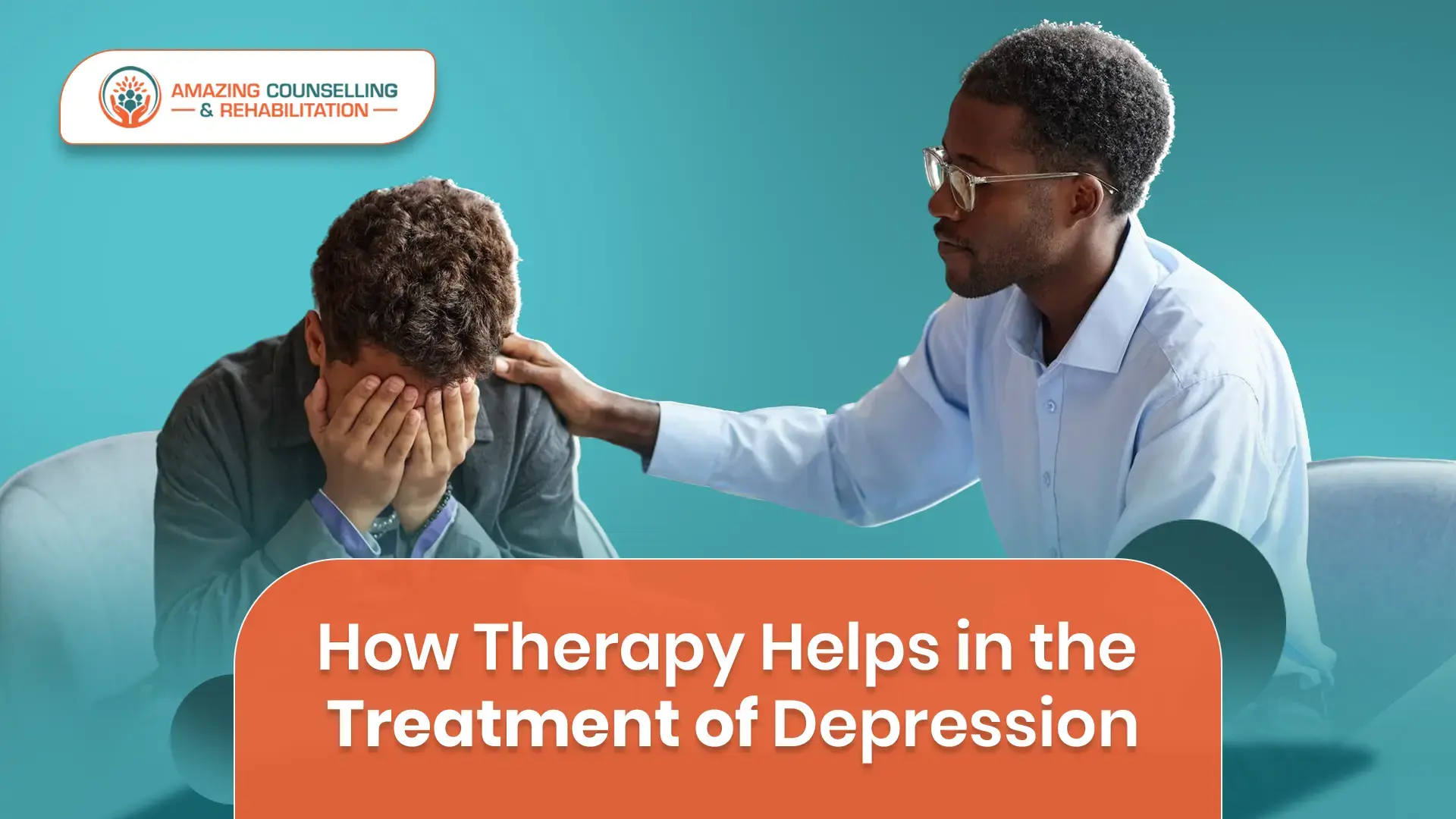
Depression is a medical disorder that influences not only a person but also emotions, inspiration, concentration, levels of energy, mood, sleeping habits and overall performance. People disconnect themselves from their purpose and lose interest in all activities. Therapy is one of the most efficient and trusted treatment of depression.
Counselling for depression can produce meaningful change if someone experiences any type of depression symptoms. Medication is an important part of the treatment or treatment resistant depression approach, but therapy continues to be essential all time.
Medication can reduce the intensity of symptoms, but therapy concentrates on the life experiences that lead to depression. This blog will try to explore how therapy helps in the treatment of depression.
Why Therapy Is a Core Component in Treating Depression
Both the body and the mind are influenced by depression. This causes an endless pattern of anxiety, mental stress, and tiredness. Negative thoughts can lower energy. Low mood can affect motivation and hunger. Patients with therapy are more likely to understand these tendencies and develop new habits to improve their physical and mental health.
Medication can reduce the intensity of symptoms; it does not always resolve the deeper issues that boost depression. Even though medication is effective, therapy becomes essential because many people still struggle with continuing stress. Therapy emphases on the root causes of depression or causes of the great depression rather than only handling what appears on the surface.
Types of Therapy Proven to Help with Depression
Therapy offers various types of organized and scientifically proven approaches to understand depression patterns and treatment. Patients can choose the best therapy for depression that fits their needs and lifestyle because every approach promotes rehabilitation in various manners.
Cognitive Behavioral Therapy-CBT
One of the most widely used treatments for depression that focus on emotions as well as behaviors is cognitive behavioural therapy. There is a need to understand what principle underlies cognitive behavioral therapy for better treatment of depression. Some depressed persons have involuntary negative thoughts that aggravate their feelings of sadness and sadness. CBT assists in eliminating this pattern of behavior. How CBT supports recovery:
- Discovering and reforming negative thought patterns that lead to depression.
- Providing useful coping mechanisms such as blogging, behavior therapy, and thorough problem-solving.
- Assisting people in replacing constructive and rational thoughts for criticizing themselves.
Interpersonal Therapy (IPT)
Interpersonal therapy treatment is used to improve interactions and interpersonal relationships with people. This therapy helps people to deal with changes in their lives. Therefore, mental health demands an awareness of interpersonal connection. Fundamental objective of IPT:
- Managing grief, conflict, and shifting roles which commonly worsen or produce depression symptoms.
- Developing interpersonal and communication skills to reduce mental strain and loneliness.
- Developing healthier means of communicating preferences and sentiments.
Psychodynamic Therapy
Personal disputes, unconscious patterns, and past experiences are contemporary emotions that are addressed by psychodynamic therapy. The approach is beneficial for those who have mental health issues on a regular basis or who feel overwhelmed always. The Benefits of psychodynamic therapy:
- Investigating unresolved emotional problems and subconscious patterns that influence mood.
- Knowing how early experiences impact relationships, reliance, and dignity today.
- Promoting greater awareness and enduring emotional development.
Mindfulness Based Cognitive Therapy (MBCT)
An approach which combines cognitive approaches of treatment with meditation exercises is a form of mindfulness cognitive therapy. This decreases stress and prevents depression recurrence. It encourages people to look at them rationally to prevent individuals from becoming entangled in their thoughts. Advantages of MBCT include the following:
- Reducing contemplation, a pattern of thought which commonly contributes to feelings of sadness.
- Promoting understanding to prevent recurrence, especially among people with persistent depression.
- Implementing mindful awareness and breathing strategies to improve mental balance.
Other Supportive Therapies
Acceptance and commitment therapy is a modern treatment approach that focuses on embracing difficult feelings rather than avoiding them. Behavioral activation is intended to dissolve the cycle of avoidance and withdrawal which is typically associated with depression.
Humanistic treatment encourages personal development and acceptance of oneself. Solution-focused therapy that depends on immediate targets and achievable actions. Supportive therapy with a focus on motivation, stress reduction, and psychological comfort are other popular and modern supportive therapies.
What Actually Happens in the Process of Therapy
Providing a secure, welcoming and friendly place where people are comfortable sharing their experiences is the first stage in therapy. Patients feel understood in this encouraging setting that builds trust. Thus, it provides individuals the ability to express their feelings freely from their initial session.
After that, therapists and patients collaborate in order to develop individualized plans for therapy. These approaches deal with the emotional aspects, cognitive processes, and actions that directly cause depression. When people practice helpful strategies to control their emotions and stress, they eventually observe improvements. Recurrent sessions promote growth, resiliency, and enduring emotional balance.
The Main Benefits of Depression Therapy
Therapy is beneficial because this delivers productive and ongoing assistance for people who are suffering from depression. Resilience, better thinking processes, and improved capacity for emotions all help facilitate performance. Each positive outcome assists patients to regain control over their emotional and mental wellness. Fundamental benefits involved are following:
- Improved emotional awareness and regulation through the ability to identify and deal with difficult mental states.
- Better patterns of thought by replacing rational and equitable viewpoints for negative ones.
- Effective strategies for coping which encourage self-care, solving issues, and decreasing stress.
- Improved connections through healthy boundaries and effective approaches to communication.
- Lower chances of depressed recurrence with persistent abilities along with early warning tools.
- Enhanced motivation and self-esteem through a renewed sense of self-assurance, guidance, and faith in one’s unique abilities.
How Therapy and Medication Interact
Both medication and treatment are essential elements when treating depression. Therapy is enough and for considerable numbers of individuals, especially those with mild to moderate symptoms. It assists people to improve strategies for dealing with stress, understanding their thoughts, and eliminating harmful habits.
Combining therapy and medications frequently proves the most effective approach in more severe circumstances. Medication or medicine treatment stabilizes mood whereas therapy treatment focuses on emotional and psychological issues.
Who Can Take the Benefit of Therapy?
The individuals throughout all ages and various stages of life may gain benefit from psychological treatment. Adolescents commonly benefit from guidance as they deal with societal challenges, behavioural modifications, and pressures from school. Although elders receive assistance for loneliness, grief, or chronic medical difficulties, adults gain perspective on stress, relationships, and changes in their lives.
Regular emotional support is usually helpful to those who have past experiences of trauma, ongoing tension, or nervousness. People who suffer from sadness that are resistant to treatment also benefit a great deal from therapy because it offers fresh approaches and strategies when earlier ones have failed. Therapy provides an opportunity to become more stable and resilient, irrespective of age or background.
When to Consider Starting Therapy
It is likely time to seek treatment when mental health issues begin to make issues with everyday activities. Continuous anger, lack of interest, sorrow, tension overload, or fluctuations in energy, food, or sleep could be significant symptoms and indicators to get treatment. When behavioural or physical problems are challenging to manage, therapy can be more beneficial.
During the first session, people must prepare for an informal and motivating discussion about their objectives and problems. During this the therapist gathers information, offers comfort, and begins to develop a feasible, pleasant plan for the future.
How to Choose the Best Therapy for Depression
First of all you have to check and evaluate the education, background, training, and experience is the step in selecting the most suitable therapist. You need to find someone who is professional, friendly, and easy to approach. It is important to know about treatment approach, session format, and desired outcomes.
Because this supports to ensure that the relationship is supportive, comfortable, and productive from beginning to end. Many people evaluate both online and offline choices to determine what complements their lifestyle.
How Amazing Counseling Help Treatment to Depression
Amazing Counselling offers a positive and successful route towards healing for people who suffer from depression. Regaining emotional control, confidence, and optimism are all made possible by therapy. Providing important personal understanding, helpful instruments, and compassionate assistance. Counselling for depression develops into a transformative journey rather than only a form of treatment. People feel more powerful, healthier, and more connected to the world and themselves as an outcome.
FAQs
Q1. What were the causes of the Great Depression?
It had been brought about by a substantial decrease in economic activity due to failures of banks, unemployment, and the collapse of the stock market in 1929.
Q2. How long does therapy take for depression?
Depending on the level of difficulty, several individuals experience recovery in between eight and twelve weekly sessions.
Q3. Does Medicare cover therapy for depression?
Yes, Medicare provides reimbursement for treatment for depression when it is carried out by certified mental health providers.
Q4. What type of therapist is best for depression?
The most beneficial person typically serves as a qualified therapist who has received training in scientifically proven methods like cognitive behavioural therapy or IPT for anxiety and depression.
Q5. Is therapy or medication better for depression?
Although both can be helpful, many individuals find that a combination of medicine and therapy performs better.